Connected by design

Reading comes first.
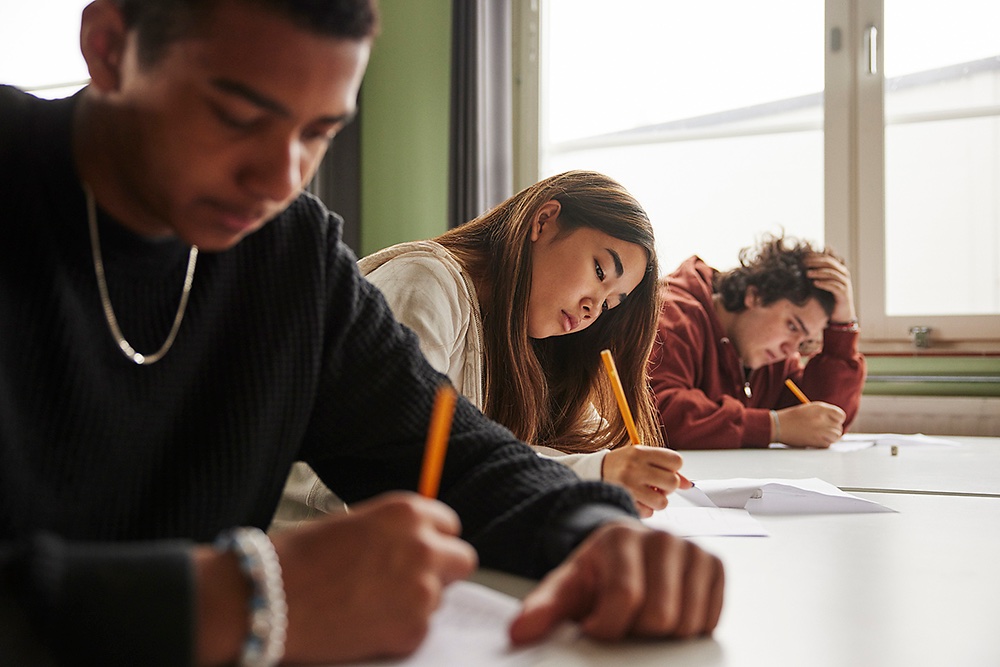
Real texts — novels, poems, long-form articles — are at the center of every unit: read closely, annotated by hand, and discussed in the room, not on a screen.

Every piece works together.
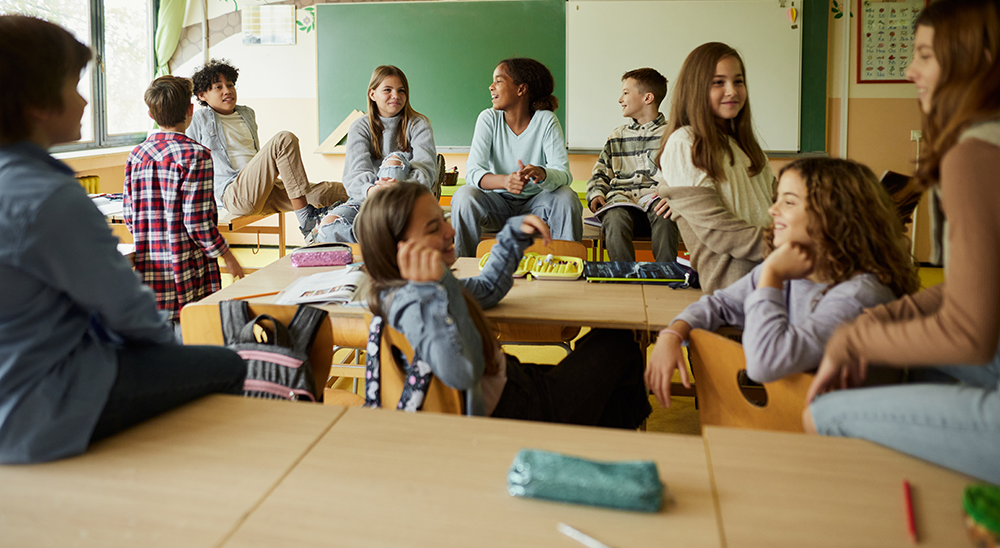
Reading, writing, discussion, and language development grow side by side in every lesson, building the knowledge, language, and thinking of every student.

Built for every reader in the room.
Rich, diverse, and culturally-responsive texts sit alongside built-in scaffolds and language supports, so every student can do the same challenging, meaningful work right from the start.
This is what connected design makes possible.
When reading, writing, language and thinking develop together instead of separately, students build understanding that lasts, and teachers spend less time filling gaps the curriculum should have closed itself. This isn’t just our opinion. Research backs our approach.
English Language Arts curriculum, built whole.
Inquiry by Design’s secondary ELA curriculum is built for grades 6–12 — designed so reading, writing, and discussion work together in every lesson, from the first text to the last.
Middle & High School Spanish Language Arts
Designed for heritage speakers, dual language learners, and students with interrupted schooling, our SLA curriculum treats home language as an asset, not a gap to close.
Students read diverse, relevant texts and build toward the Seal of Biliteracy — a credential that opens doors in college and careers.

Middle School English Language Development
Built to work alongside our ELA curriculum, ELD gives English learners in grades 6–8 additional dedicated time for language development, using the same texts, topics, and writing tasks as their ELA classes, so language and content grow together. Lessons are aligned to ELD standards and differentiated for Emerging, Expanding, and Bridging learners.
This is what teaching was supposed to feel like.
Curriculum built in pieces asks teachers to hold it all together. We built ours whole. Understanding builds lesson by lesson, and teachers can focus on the students in front of them.