
Five seventh graders burst into their ELA classroom animatedly debating the meaning of a song released by their favorite artist the night before. They quote lines already memorized. They dissect metaphors. They argue about tone, intention, and whether the artist is being sincere or ironic. Everyone has an opinion, and everyone wants to be heard.
Then class begins.
The students are quiet now. Notebooks open. A grammar exercise appears on the board. Identify the verb tense. Circle the correct answer. The same students who were confidently interpreting language moments ago now hesitate, write half an answer, or write nothing at all.
Our students, whether they realize it or not, are constant consumers of literacy. From TikToks to video games, song lyrics to fanfiction, students’ literacy lives, steeped in pop culture, provide rich opportunities for deepening engagement and supporting critical literacy skills.
Of course, not every lesson can integrate popular culture. However, if we’re able to identify strategic and meaningful ways to incorporate these relevant literacies into our classrooms, we’re able to tap into our students’ natural curiosities and cultivate authentic engagement that can be sustained throughout our curriculum.
In this blog post, we’re going to explore the evidence behind folding pop culture into literacy classrooms and share some practical strategies you can implement today!
If you missed the first two blogs in our Literacy That Matters series, be sure to check them out: “Making Reading Relevant: Why Students Need to See Themselves in What They Read” and “How Keeping the Bar Elevated Can Motivate and Engage Students in Literacy Classrooms.”
Pop Culture as a Literacy Resource, Not a Replacement
First, it’s important to clarify how we define “pop culture.” Broadly, pop culture refers to a mainstream, widely accessible set of outputs, trends, beliefs, objects, or values. In literacy classrooms, this might look like film or TV excerpts, video game storylines, song lyrics, memes, or social media discourse.
When we talk about using pop culture in ELA or SLA classrooms, we aren’t talking about replacing literature with the latest trends, lowering academic expectations, or teaching memes without purpose or context.
On the contrary, we’re talking about enhancing existing literacy practices with relevant and engaging cultural moments in students’ lives. In this way, pop culture texts offer incredible opportunities to increase accessibility to literacy and strengthen core skills: comprehension, vocabulary, and analysis.
This sounds great, but what does the research say?
The Case for Pop Culture in Literacy Classrooms
The evidence for integrating pop culture into our classrooms illustrates just how profound of an impact it can have on our students’ literacy lives.
Research shows that when teachers utilize pop culture literacies in their classrooms:
- Students report higher levels of learning satisfaction.
- Students’ reading comprehension and writing skills improve.
- Interest, participation, and willingness increase.
- Students’ ability to understand and communicate conceptual understandings improves.
While this evidence is compelling, it’s important to underscore that these impacts on students’ literacy skills and engagement can only happen when pop culture is incorporated with clear purpose and strategy.
Below are practical strategies that you can implement to integrate pop culture into your reading and writing instruction with maximum impact!
Practical Ways to Integrate Pop Culture (Without Losing Rigor)
Strategy 1: Pair Pop Culture with Canonical or Core Texts
Canonical texts can still play a meaningful role in literacy classrooms, and they often remain required texts in schools. However, canonical literature and pop culture are not mutually exclusive approaches to literacy; in fact, when strategically paired together, students can have a rich literacy experience that increases accessibility without lowering standards or expectations.
Here are some ways you might do this:
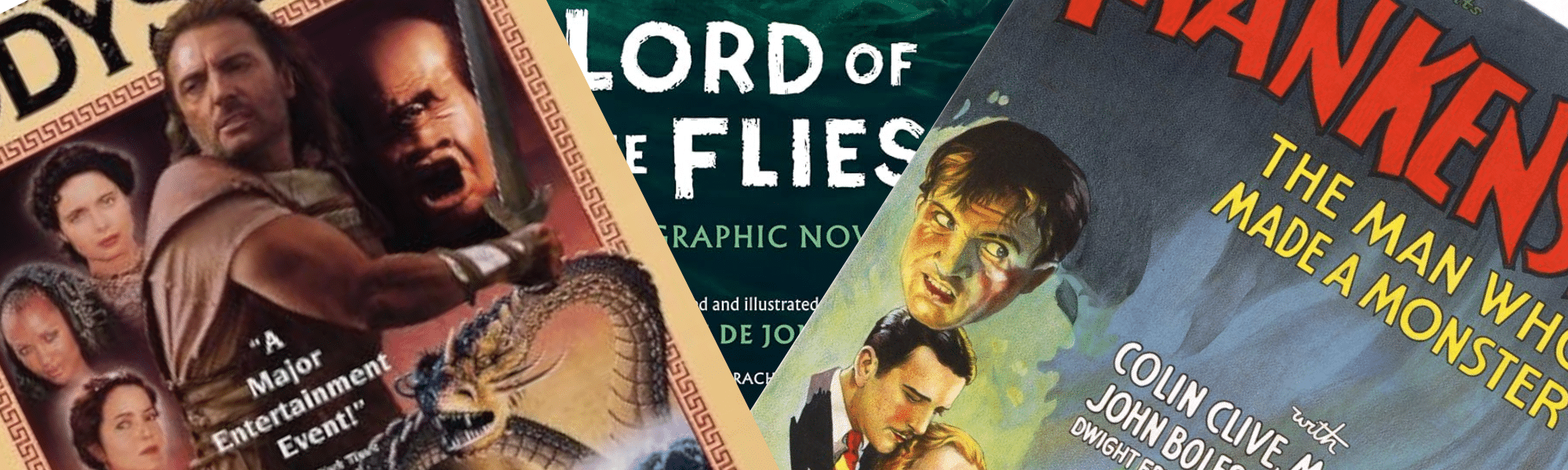
- Examine modern interpretations (e.g. movie excerpts, graphic novel adaptations, etc) of classic texts.
- Find pop culture texts (e.g. song lyrics, memes, etc.) that thematically align with core texts to support textual analysis.
- Facilitate cross-examinations of characters from core texts with pop culture figures (e.g. actors, musicians, etc.) to support characterization.
Strategy 2: Analyze Lyrics, Media, Video Games, and Cultural Texts
Song lyrics are often filled with literary devices like metaphors, allusions, and rhyme. Memes offer sharp looks into cultural contexts and messages. Many modern video games have incredibly detailed storylines with complex characters. All of these are forms of literacy that can be used to practice and apply literary analysis skills through texts that connect to students’ lives and interests.
There are many ways to integrate such forms of pop culture texts into literacy classrooms, including:
- Find texts that thematically align with a unit of study and incorporate them into your lessons.
- Allow students to identify pop culture texts that align with a current unit of study and ask them to justify their decisions.
- Use pop culture texts to practice literary analysis skills (e.g. song lyrics to identify/analyze figurative language; a video game storyline to analyze plot structure or characterization).
As much as possible, when selecting pop culture texts to bring into the classroom, elicit feedback/input from students to make the experience as relevant and engaging as possible!
This strategy also presents a great opportunity to integrate students’ different languages. If you have students whose first language is not English, integrating texts like song lyrics in their first language can be deeply affirming and engaging.
Strategy 3: Create Pop Culture Research Projects
Another powerful way to integrate pop culture into literacy classrooms is through research-based inquiry projects. Pop culture research projects invite students to investigate cultural trends, artists, movements, or media moments that matter to them while applying the same academic literacy skills required in more traditional research tasks.
When students research pop culture with purpose, they aren’t passively consuming media, they are learning how to analyze it. This equips students with critical media literacy skills that are increasingly important in our highly-digital world.
Here’s what this might look like in practice:
- Invite students to choose a focus: Students might research a cultural trend, musical artist, film, video game franchise, social media movement, or public figure. Giving students choice increases investment and engagement upfront.
- Analyze impact, themes, and messaging: Rather than focusing on surface-level summaries, students can practice developing and examining questions such as: What messages does this film convey? How do these lyrics reflect societal values? What does this video game teach us about adversity? This pushes students toward deeper analysis and critical thinking.
- Emphasize academic research skills: Students practice locating credible sources, distinguishing between opinion and evidence, paraphrasing and quoting appropriately, and citing sources. These are transferable literacy skills that prepare students for future academic work.
- Require synthesis and presentation: Strong pop culture research projects should ask students to synthesize ideas across multiple sources and present their findings in formal ways, such as analytical essays, research reports, or multimedia presentations.
With such projects, pop culture is the lens through which students develop and practice rigorous literacy and research skills. When designed intentionally, pop culture research projects demonstrate to students that literacy skills aren’t confined to textbooks; they are tools for understanding and analyzing the world around them.
How Curriculum Design Can Support Meaningful Integration
Integrating pop culture into literacy classrooms isn’t about chasing trends or adding one more thing to an already full plate. It’s about broadening students’ understanding of how literacy skills can apply to their lives, deepening those skills across contexts, and increasing authentic engagement and participation.
Teachers can incorporate pop culture into their classrooms without overhauling their curriculum. Like the strategies outlined in this article suggest, pop culture texts can often seamlessly align with curriculum, so long as their integration is intentional and aligned with academic standards and expectations.
At Inquiry By Design, we design our English Language Arts and Spanish Language Arts programs to support this kind of meaningful and relevant integration. Our research-based curriculum includes curated and representative text sets, pairing traditional and canonical texts with modern and culturally relevant ones.
Because our curriculum is intentionally lean and easy to navigate, teachers spend less time planning and more time teaching, creating the space to truly know their students and thoughtfully integrate pop culture texts that are meaningful to the learners in front of them.
If you want to learn more about our ELA and SLA curriculum, reach out to us today!